
- 5 Ways to Treat Severe Tooth Pain at Home
- About Us
- Abscessed Tooth: Types, Symptoms, Causes, Treatment, and Pictures
- Become a Doctor
- Bleeding Gums: Symptoms, Causes, and Treatment
- Broken Dentures; Repair, Reline, and Adjustments
- Broken Jaw: Symptoms, Causes, Treatment, and Prevention
- Communication Release Form
- Contact
- Cosmetic dentistry
- Crowns Black Friday
- Dental Avulsion – What to Do When Your Tooth Gets Knocked Out
- Dental Crown Hurts, Fell Out, Broken, or Infected
- Dental Filling Problems; Pain, Sensitive, Loose, or Falls Out
- Dental financing & insurance
- Dental History Form
- Dental Implants
- Dental Services
- Arestin Antibiotic Therapy
- Botox
- Dental bridge
- Dental check-up
- Dental cleaning
- Dental crown
- Dental filling
- Dental specialties
- Dental veneers
- Dental x-rays
- Dermal Fillers
- General Dentistry
- Night Guards
- Oral cancer screening
- Orthodontics
- Periodontal Gum Disease Treatment
- Root canal treatment
- Teeth whitening
- Tooth extractions
- Dental Trauma: Causes, Symptoms, Treatment, and Prevention
- Dentists Open Late, Saturdays, Sundays, 24 hours
- Dentures
- Dentures and Extractions
- Dentures and Implants
- Dry Socket: Symptoms, Causes, Treatment, and Prevention
- Emergency dental care
- Emergency Dental Service
- Emergency Tooth Extraction Near You
- Employment
- Endodontics
- Family Dentistry
- Find Locations
- Find Your Nearest Dentist
- Fractured Tooth (Cracked Tooth): What It Is, Symptoms, Repair, & Cost
- General Inquiry
- Home
- Implants Black Friday
- Insurance Information Form
- Invisalign
- Laser dentistry
- Locations
- Loose Teeth In Adults; Signs, Symptoms, Causes, & Treatment
- Medical History Form
- Membership
- New Patients
- Oral Cancers: Risk Factors, Diagnosis, and Treatment
- Oral Maxillofacial surgery
- Orthodontics
- Our Payment Options
- Patient Form
- Patient Resource Center
- Cavities
- Dental implants
- Frequently asked questions
- General Dentistry
- Brushing teeth
- Cavities
- Dental bonding
- Dental Care & Oral Hygiene
- Dental issues
- Dental transformation
- Flossing
- Gingivitis
- Gum disease
- How oral health impacts overall health
- Prevention and detection
- Receding gums
- Restorative dentistry
- Scaling and root planing
- Tooth decay
- What To Expect At Your First General Dentistry Appointment
- Wisdom tooth pain
- Pediatric Dental Emergency Service For Parents
- Pediatric dentistry
- Periodontics
- Preventative dentistry
- Pricing and Offers
- Cosmetic dentistry cost
- Dental Bridge Cost
- Dental checkup cost
- Dental crown cost
- Dental filling cost
- Dental implants cost
- Dental veneers cost
- Dental veneers cost
- Dentures cost
- Periodontal treatment cost
- Root canal cost
- Scaling and root planing cost
- Teeth Whitening Cost
- Tooth extraction cost
- Veneers vs crowns
- Wisdom teeth removal cost
- Privacy Policy
- Referral Program
- Restorative dentistry
- Same-day Emergency Walk-In Dentists Near You
- Schedule an Appointment
- Sedation Dentistry
- Sleep disorders
- Specials
- Test Form
- Thank You
- Thankyou for your Appointment
- Thankyou for your Appointment
- Toothaches: Causes, Remedy, Treatments, and Prevention
- Virtual Consultations


Receding gums
Have you noticed that your gums seem to be disappearing and revealing more of your teeth? It could be a sign of receding gums, also known as gum recession or gingival recession. The good news is your Forever Dental care team can help.

Receding gums symptoms
Gum bleeding and swelling
Bleeding when brushing or flossing. Redness or swelling is an indication of inflammation and possible infection.
Longer tooth appearance
Recession makes teeth appear longer than normal because the gums have crept back from their usual position. Sometimes the tooth roots may even be exposed.
Increased sensitivity
You may find it painful to consume hot, cold, sweet or acidic foods and drinks.
Loose teeth
The supporting structure of the gums can actually cause your teeth to loosen.
Pain at the gum line
Persistent or intermittent pain can occur at the gumline.
Bad breath or halitosis
This is due to accumulation of bacteria and plaque.
Receding gums can lead to periodontitis
Click on each stage to learn more about what it means for your gum health.
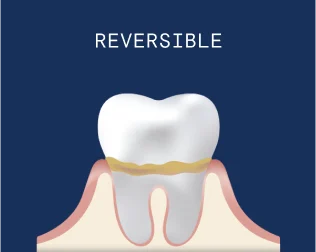
Gingivitis
- Gums are red, swollen, and bleed easily.
- No damage to bone and connective tissues yet.
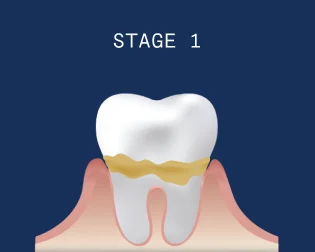
Early Periodontitis
- Slight recession begins.
- Early bone loss; small pockets form below the gum line.
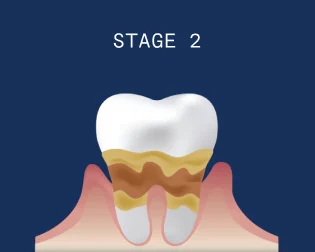
Moderate Periodontitis
- Increased gum recession.
- Deeper pockets; noticeable bone loss.
- Possible damage to supporting structures.
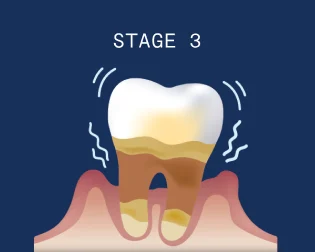
Severe Periodontitis
- Severe gum recession.
- Substantial bone loss; teeth may become loose or fall out.

When to seek care for gum recession
If your teeth appear larger than normal or if your gums are feeling extra sensitive, it could be an early sign of gum recession. To stop things in their tracks, speak with your Forever Dental dentist about the best treatment for your smile.
Receding gums treatment
Getting your gums back in shape can take a little bit of time, but your Forever Dental care team can help guide you back to the path to great oral health. Depending on the severity of the condition, more advanced measures may need to be taken. Some treatment options include:
✓
Dental checkups and cleaning
Dental checkups and preventive cleaning with medicaments to maintain healthy gums.
✓
Scaling and root planing
Scaling and root planing removes calculus and plaque from tooth surfaces and under the gum line.
✓
Gum grafting
Gum grafting attaches tissue to receding gum area to cover exposed roots.
✓
Orthodontic treatment
Orthodontic treatment aligns teeth properly to reduce pressure on gums.
✓
Mouth guard
A mouth guard protects against damage due to teeth grinding or clenching.
How to prevent receding gums
Regardless of what causes gum recession, knowing how to prevent it is important. Follow these tips to minimize your risk of receding gums and boost your overall oral health:

Maintain oral hygiene
Floss and brush gently with a soft-bristled brush. This includes having regular dental checkups with your local Forever Dental care team to start early treatment, if needed.

Healthy diet
Consuming a balanced diet rich in vitamins and minerals supports gum health.

Avoid tobacco products
Reduce the risk of plaque buildup and gum disease by avoiding tobacco. Add antimicrobial mouthwash to your routine to help control bacterial growth.
Receding gums FAQs
How to fix receding gums?
To fix receding gums, your Forever Dental dentist may recommend treatments such as scaling, grafting or better oral hygiene practices to promote gum tissue regeneration. Find a dentist near you.
Can receding gums grow back?
Receding gums don’t naturally grow back. However, early intervention with professional treatments like gum grafting or pinhole surgery can help restore gum tissue. Good oral hygiene and regular dental check-ups are essential to prevent further recession and support gum health.
How to stop receding gums from getting worse?
Prevent receding gums by maintaining good oral hygiene, including gentle brushing, daily flossing, mouthwash use, quitting smoking, managing teeth grinding, and regular dental visits.
Why are my gums receding?
Gum recession results from various factors like poor oral care, aggressive brushing, structural issues, genetics, tobacco use, hormones and teeth grinding.
Is there any connection between gingivitis and pregnancy?
Yes, during pregnancy, hormonal changes can lead to increased blood flow to the gums, making them more sensitive and prone to inflammation.
Discover more for your smile


Move forward without receding gums
Don’t ignore the signs of receding gums. Schedule an appointment with Forever Dental to discuss treatment options and stop symptoms before they get worse.