
- 5 Ways to Treat Severe Tooth Pain at Home
- About Us
- Abscessed Tooth: Types, Symptoms, Causes, Treatment, and Pictures
- Become a Doctor
- Bleeding Gums: Symptoms, Causes, and Treatment
- Broken Dentures; Repair, Reline, and Adjustments
- Broken Jaw: Symptoms, Causes, Treatment, and Prevention
- Communication Release Form
- Contact
- Cosmetic dentistry
- Crowns Black Friday
- Dental Avulsion – What to Do When Your Tooth Gets Knocked Out
- Dental Crown Hurts, Fell Out, Broken, or Infected
- Dental Filling Problems; Pain, Sensitive, Loose, or Falls Out
- Dental financing & insurance
- Dental History Form
- Dental Implants
- Dental Services
- Arestin Antibiotic Therapy
- Botox
- Dental bridge
- Dental check-up
- Dental cleaning
- Dental crown
- Dental filling
- Dental specialties
- Dental veneers
- Dental x-rays
- Dermal Fillers
- General Dentistry
- Night Guards
- Oral cancer screening
- Orthodontics
- Periodontal Gum Disease Treatment
- Root canal treatment
- Teeth whitening
- Tooth extractions
- Dental Trauma: Causes, Symptoms, Treatment, and Prevention
- Dentists Open Late, Saturdays, Sundays, 24 hours
- Dentures
- Dentures and Extractions
- Dentures and Implants
- Dry Socket: Symptoms, Causes, Treatment, and Prevention
- Emergency dental care
- Emergency Dental Service
- Emergency Tooth Extraction Near You
- Employment
- Endodontics
- Family Dentistry
- Find Locations
- Find Your Nearest Dentist
- Fractured Tooth (Cracked Tooth): What It Is, Symptoms, Repair, & Cost
- General Inquiry
- Home
- Implants Black Friday
- Insurance Information Form
- Invisalign
- Laser dentistry
- Locations
- Loose Teeth In Adults; Signs, Symptoms, Causes, & Treatment
- Medical History Form
- Membership
- New Patients
- Oral Cancers: Risk Factors, Diagnosis, and Treatment
- Oral Maxillofacial surgery
- Orthodontics
- Our Payment Options
- Patient Form
- Patient Resource Center
- Cavities
- Dental implants
- Frequently asked questions
- General Dentistry
- Brushing teeth
- Cavities
- Dental bonding
- Dental Care & Oral Hygiene
- Dental issues
- Dental transformation
- Flossing
- Gingivitis
- Gum disease
- How oral health impacts overall health
- Prevention and detection
- Receding gums
- Restorative dentistry
- Scaling and root planing
- Tooth decay
- What To Expect At Your First General Dentistry Appointment
- Wisdom tooth pain
- Pediatric Dental Emergency Service For Parents
- Pediatric dentistry
- Periodontics
- Preventative dentistry
- Pricing and Offers
- Cosmetic dentistry cost
- Dental Bridge Cost
- Dental checkup cost
- Dental crown cost
- Dental filling cost
- Dental implants cost
- Dental veneers cost
- Dental veneers cost
- Dentures cost
- Periodontal treatment cost
- Root canal cost
- Scaling and root planing cost
- Teeth Whitening Cost
- Tooth extraction cost
- Veneers vs crowns
- Wisdom teeth removal cost
- Privacy Policy
- Referral Program
- Restorative dentistry
- Same-day Emergency Walk-In Dentists Near You
- Schedule an Appointment
- Sedation Dentistry
- Sleep disorders
- Specials
- Test Form
- Thank You
- Thankyou for your Appointment
- Thankyou for your Appointment
- Toothaches: Causes, Remedy, Treatments, and Prevention
- Virtual Consultations


Cavities
Cavities are areas of decay on your tooth’s surface. They form when bacteria and acids in the mouth gradually erode the enamel, which is the protective layer of our teeth. Cavities start as small holes and can grow larger over time if left untreated—but good news! Your Forever Dental team can help.
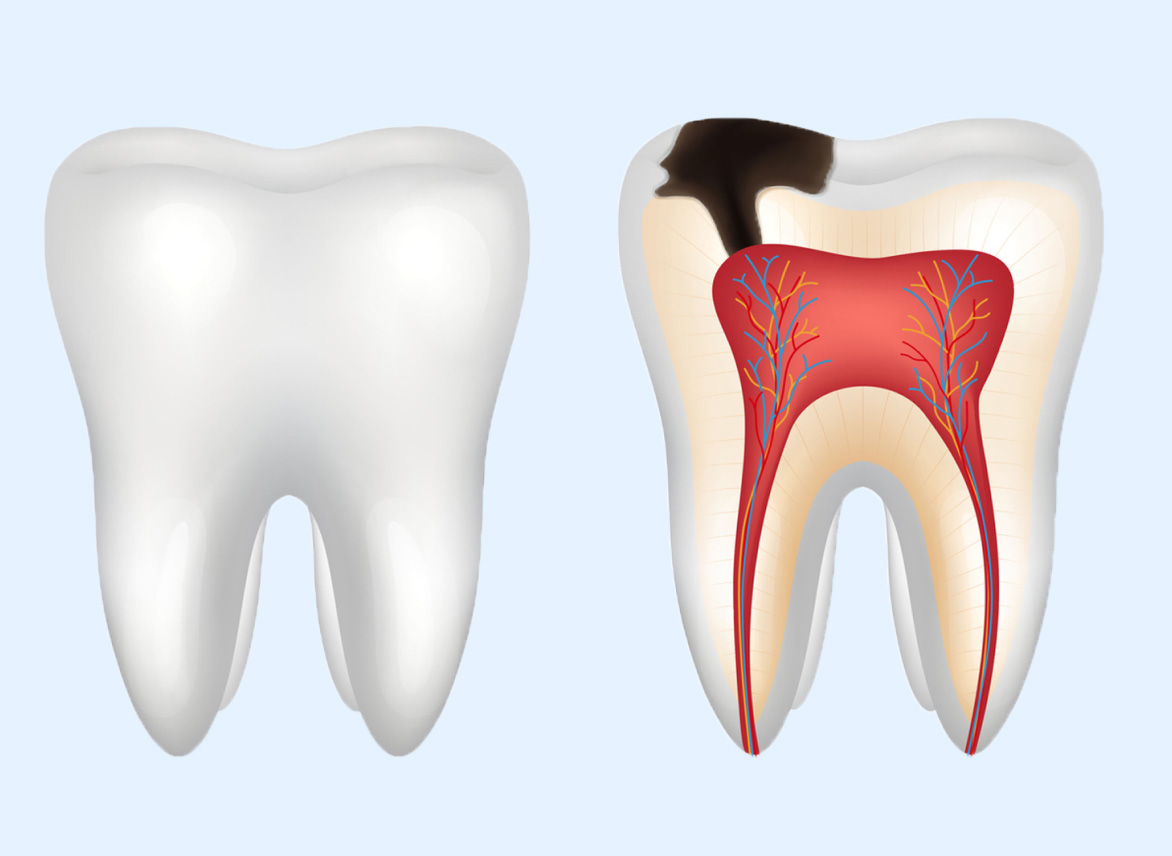
What causes cavities?
The most common cause of cavities is poor dental hygiene and a high-sugar, high-starch diet. When food particles and bacteria are not removed, plaque forms on your teeth. Plaque acids gradually dissolve the tooth’s enamel, leading to cavity formation.
Dry mouth, certain medications and a genetic predisposition can also increase your risk of cavities.

Different types of cavities
Not all cavities are alike—in fact, they can form on any part of your tooth. Discover the most common types of cavities and where they might appear:
Pit and fissure cavities
These are the most common type of cavities, forming on the chewing surfaces of molars and premolars. They develop in the small pits and fissures of the tooth’s surface where food particles and bacteria can easily get trapped.
Smooth surface cavities
These cavities form on the flat, smooth surfaces of the teeth in areas where bacterial plaque collects, such as between teeth, along the gum line, and in difficult-to-clean areas.They progress more slowly than pit and fissure cavities and are often easier to detect and treat in their early stages.
Root cavities
Root cavities form on the roots of the teeth. They are common in older adults or if you have gum recession. As the root surface becomes exposed, it becomes susceptible to decay, especially near the gumline.
Recurrent or secondary cavities
Erosion cavities
Unlike typical cavities caused by bacteria, erosion cavities are caused by direct chemical erosion of the tooth enamel by acidic foods, sugary drinks or stomach acids from conditions like acid reflux.
Baby bottle tooth decay (early childhood caries)
This type of cavity affects infants and young children due to prolonged exposure of sugary liquids like milk, formula or fruit juices in baby bottles or sippy cups.
How to get rid of cavities
It’s important to contact us if you are experiencing symptoms of a cavity.
Your local Forever Dental dentist can determine the best course of treatment based on the extent of the cavity. Your dentist will remove the decayed portion of the tooth and restore your tooth with the right dental materials for you.
Some of the techniques your dentist may use include:

Dental fillings
Dental fillings are a common treatment option for cavities. Your Forever Dental dentist will remove the decayed portion of the tooth and fill it with a durable, natural-looking material, such as composite resin. Once your tooth is filled, its shape, function and strength will be restored.

Dental crowns
If the cavity has significantly damaged your tooth, you may need a dental crown. A crown is a custom-made cap that covers the entire visible portion of the tooth. It protects, restores strength and improves your tooth’s appearance.

Root canal therapy
When tooth decay reaches the innermost layer, known as the dental pulp, it can cause severe pain and infection. You’ll require root canal therapy to remove the infected pulp, clean the root canal and seal it. The procedure will relieve any pain you may be experiencing, and your Forever Dental dentist will discuss the best options to restore and protect your tooth from further damage.
How to prevent cavities
A thorough oral care routine is the best way to prevent cavities.
✓
Oral hygiene
Brush your teeth at least twice a day using a fluoride toothpaste, floss daily to remove plaque and debris from between your teeth and rinse with an antiseptic mouthwash.
✓
Balanced diet
Limit sugary and acidic food and drinks, as they can encourage cavity-causing bacteria.
✓
Fluoride treatment
Ask your Forever Dental dentist about professional fluoride treatments to strengthen your tooth enamel.
✓
Regular dental checkups
Schedule regular dental checkups and cleanings to catch cavities early and prevent their progression.
Cavities FAQs
Do cavities hurt?
Your cavity may not hurt in the beginning. However, as tooth decay progresses deeper into the layers of the tooth, you may begin to experience toothaches and sensitivity.
Can I get a cavity between my teeth?
Yes, you can get cavities between your teeth. They are known as “interproximal cavities” or “interdental cavities and occur when food gets caught in between your teeth and you don’t floss regularly.
Can I prevent cavities if I have braces?
Yes, you can prevent cavities even if you have braces. Maintaining good oral hygiene is even more crucial when you have braces, as they create additional spaces for food particles and plaque to accumulate, increasing the risk of cavities and other dental issues.
Are cavities contagious?
No, you cannot catch a cavity from someone else. Cavities are caused by a combination of factors, primarily the presence of certain bacteria in the mouth, a diet high in sugars and carbohydrates, poor oral hygiene and genetic predisposition.
Can my toothpaste and mouthwash help prevent cavities?
Yes, there are toothpaste and mouthwash products specifically designed to help prevent cavities. Ask your Forever Dental dentist which products they recommend.


Take charge of your oral health
You can prevent cavities and protect your smile by keeping up with your oral hygiene routine and regular visits to your Forever Dental dentist for cleanings and checkups.
Your team of experienced dentists provide top-quality care and offer cavity prevention strategies and treatment options—especially when caught in the early the stages.
Schedule an appointment today and help keep your smile healthy and beautiful.