
- 5 Ways to Treat Severe Tooth Pain at Home
- About Us
- Abscessed Tooth: Types, Symptoms, Causes, Treatment, and Pictures
- Become a Doctor
- Bleeding Gums: Symptoms, Causes, and Treatment
- Broken Dentures; Repair, Reline, and Adjustments
- Broken Jaw: Symptoms, Causes, Treatment, and Prevention
- Communication Release Form
- Contact
- Cosmetic dentistry
- Crowns Black Friday
- Dental Avulsion – What to Do When Your Tooth Gets Knocked Out
- Dental Crown Hurts, Fell Out, Broken, or Infected
- Dental Filling Problems; Pain, Sensitive, Loose, or Falls Out
- Dental financing & insurance
- Dental History Form
- Dental Implants
- Dental Services
- Arestin Antibiotic Therapy
- Botox
- Dental bridge
- Dental check-up
- Dental cleaning
- Dental crown
- Dental filling
- Dental specialties
- Dental veneers
- Dental x-rays
- Dermal Fillers
- General Dentistry
- Night Guards
- Oral cancer screening
- Orthodontics
- Periodontal Gum Disease Treatment
- Root canal treatment
- Teeth whitening
- Tooth extractions
- Dental Trauma: Causes, Symptoms, Treatment, and Prevention
- Dentists Open Late, Saturdays, Sundays, 24 hours
- Dentures
- Dentures and Extractions
- Dentures and Implants
- Dry Socket: Symptoms, Causes, Treatment, and Prevention
- Emergency dental care
- Emergency Dental Service
- Emergency Tooth Extraction Near You
- Employment
- Endodontics
- Family Dentistry
- Find Locations
- Find Your Nearest Dentist
- Fractured Tooth (Cracked Tooth): What It Is, Symptoms, Repair, & Cost
- General Inquiry
- Home
- Implants Black Friday
- Insurance Information Form
- Invisalign
- Laser dentistry
- Locations
- Loose Teeth In Adults; Signs, Symptoms, Causes, & Treatment
- Medical History Form
- Membership
- New Patients
- Oral Cancers: Risk Factors, Diagnosis, and Treatment
- Oral Maxillofacial surgery
- Orthodontics
- Our Payment Options
- Patient Form
- Patient Resource Center
- Cavities
- Dental implants
- Frequently asked questions
- General Dentistry
- Brushing teeth
- Cavities
- Dental bonding
- Dental Care & Oral Hygiene
- Dental issues
- Dental transformation
- Flossing
- Gingivitis
- Gum disease
- How oral health impacts overall health
- Prevention and detection
- Receding gums
- Restorative dentistry
- Scaling and root planing
- Tooth decay
- What To Expect At Your First General Dentistry Appointment
- Wisdom tooth pain
- Pediatric Dental Emergency Service For Parents
- Pediatric dentistry
- Periodontics
- Preventative dentistry
- Pricing and Offers
- Cosmetic dentistry cost
- Dental Bridge Cost
- Dental checkup cost
- Dental crown cost
- Dental filling cost
- Dental implants cost
- Dental veneers cost
- Dental veneers cost
- Dentures cost
- Periodontal treatment cost
- Root canal cost
- Scaling and root planing cost
- Teeth Whitening Cost
- Tooth extraction cost
- Veneers vs crowns
- Wisdom teeth removal cost
- Privacy Policy
- Referral Program
- Restorative dentistry
- Same-day Emergency Walk-In Dentists Near You
- Schedule an Appointment
- Sedation Dentistry
- Sleep disorders
- Specials
- Test Form
- Thank You
- Thankyou for your Appointment
- Thankyou for your Appointment
- Toothaches: Causes, Remedy, Treatments, and Prevention
- Virtual Consultations

Brushing teeth
Want to keep your smile at its brightest? The American Dental Association (ADA) recommends brushing for two minutes at least twice a day. Discover more healthy brushing habits with the help of your local Forever Dental professionals.
Tips for effective brushing
How you brush your teeth is just as important as how often you do it. Start with the right tools:

TIP 1
Choose the right brush
Opt for a soft-bristle toothbrush that fits comfortably in your mouth. Replace your toothbrush every three to four months or sooner if the bristles are frayed.

TIP 2
Use fluoride toothpaste
Fluoride strengthens enamel and helps prevent tooth decay. Look for toothpaste with the ADA seal of approval.
TIP 3
Brush twice daily
Aim to brush your teeth for at least two minutes, ideally in the morning and before bedtime, to remove plaque and bacteria.
How to brush your teeth
Brushing your teeth correctly is all about technique. Follow these tips to get your smile to its brightest place.
Apply toothpaste
Squeeze a pea-sized amount of fluoride toothpaste onto your toothbrush.
Position your toothbrush
Hold the manual toothbrush at a 45-degree angle to your gums. This angle allows you to clean your teeth and gumline most effectively.
Root cavities
Root cavities form on the roots of the teeth. They are common in older adults or if you have gum recession. As the root surface becomes exposed, it becomes susceptible to decay, especially near the gumline.
Brush in circles
Using gentle, circular motions, brush the outer surfaces of your teeth. Focus on one tooth at a time, making the circles as big as the tooth itself.
Address gumline and surfaces
Pay attention to the gumline where plaque accumulates. Brush all the outer and inner tooth surfaces.
Clean your molars and tongue
Using a back-and-forth motion, brush the chewing surfaces of your molars. Gently brush your tongue for fresh breath, too.
Spit, do not rinse
After brushing, spit out the toothpaste. Avoid rinsing your mouth immediately to allow the fluoride to seal and protect your teeth.
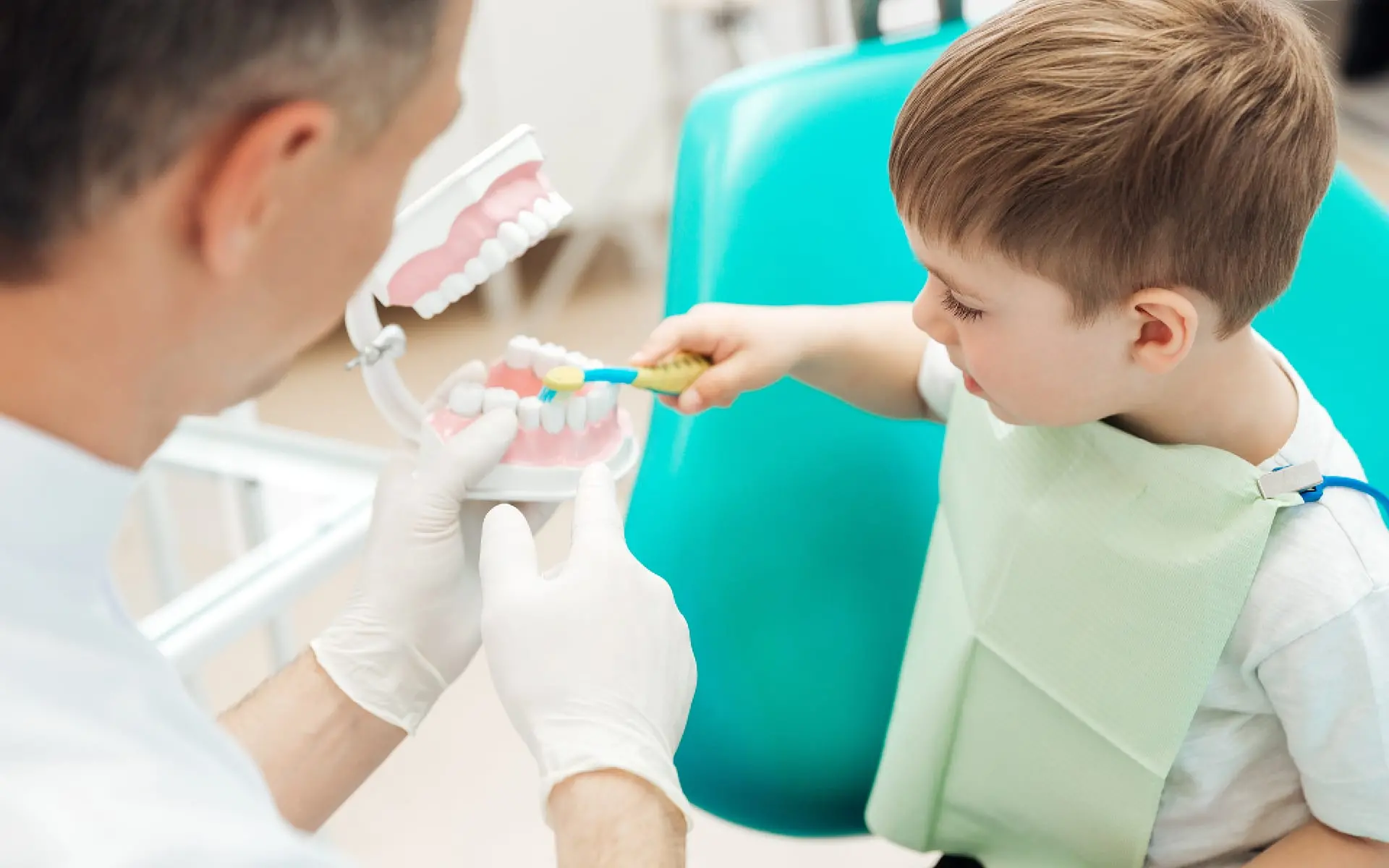
Benefits of brushing your teeth regularly
Besides a bright and healthy smile, brushing your teeth regularly has many other advantages (like these!):
✓
Prevents tooth decay
Regular brushing removes food particles and plaque, which prevents the formation of cavities and maintains the health of your teeth. Learn more about tooth decay here.
✓
Reduces gum disease risk
Keep your gums feeling great. Consistent brushing minimizes the buildup of bacteria that causes gum inflammation and disease. Learn more about gum disease here.
✓
Eliminates bad breath
Bacteria and food debris can cause bad breath. Brushing eliminates the buildup, leaving you with fresh breath and a clean smile.
✓
Preserves tooth enamel
Keep teeth stronger, longer. Proper brushing removes stains and prevents the buildup of harmful acids that can weaken tooth enamel.
Teeth brushing FAQs
How long should you brush your teeth?
The ADA recommends brushing your teeth for at least two minutes, roughly spending 30 seconds on each quadrant of your mouth. This allows for thorough cleaning on all tooth surfaces, effectively removing plaque, bacteria and food particles.
When do you start brushing baby teeth?
Starting a proper dental care routine early is crucial for your baby’s oral health. You should begin brushing your baby’s teeth as soon as the first tooth emerges, around 6 months of age. Using a soft infant toothbrush and water, gently clean the tooth and the surrounding gums. As more teeth come in, you can introduce a smear of fluoride toothpaste, about the size of a grain of rice. This early start helps prevent cavities, establish good dental habits and promote a lifetime of healthy smiles for your little one.
Should you brush your teeth before or after breakfast?
It’s actually best to brush your teeth before breakfast. Brushing prior to eating helps remove overnight plaque buildup so you don’t swallow any bacteria. If you choose to brush after breakfast, wait at least 30 minutes to allow your tooth enamel to recover from acidic foods.
Why do my gums bleed when I brush my teeth?
Gums may bleed when brushing due to gingivitis, an early stage of gum disease. Plaque accumulation leads to inflammation and sensitivity, causing the gums to bleed upon brushing. Regular dental care, including proper brushing techniques and routine check-ups, can help address and prevent this issue.
Is brushing teeth with baking soda safe?
Brushing teeth with baking soda is a common home remedy for teeth whitening. Baking soda’s mild abrasiveness can help remove surface stains. However, you should use it in moderation to prevent the erosion of enamel or irritation to the gum tissue.
Discover more for your smile


Brush up on your dental health
Start by cleaning your teeth twice daily and visiting your local Forever Dental office for your annual checkup. Schedule your next appointment today.