
- 5 Ways to Treat Severe Tooth Pain at Home
- About Us
- Abscessed Tooth: Types, Symptoms, Causes, Treatment, and Pictures
- Become a Doctor
- Bleeding Gums: Symptoms, Causes, and Treatment
- Broken Dentures; Repair, Reline, and Adjustments
- Broken Jaw: Symptoms, Causes, Treatment, and Prevention
- Communication Release Form
- Contact
- Cosmetic dentistry
- Crowns Black Friday
- Dental Avulsion – What to Do When Your Tooth Gets Knocked Out
- Dental Crown Hurts, Fell Out, Broken, or Infected
- Dental Filling Problems; Pain, Sensitive, Loose, or Falls Out
- Dental financing & insurance
- Dental History Form
- Dental Implants
- Dental Services
- Arestin Antibiotic Therapy
- Botox
- Dental bridge
- Dental check-up
- Dental cleaning
- Dental crown
- Dental filling
- Dental specialties
- Dental veneers
- Dental x-rays
- Dermal Fillers
- General Dentistry
- Night Guards
- Oral cancer screening
- Orthodontics
- Periodontal Gum Disease Treatment
- Root canal treatment
- Teeth whitening
- Tooth extractions
- Dental Trauma: Causes, Symptoms, Treatment, and Prevention
- Dentists Open Late, Saturdays, Sundays, 24 hours
- Dentures
- Dentures and Extractions
- Dentures and Implants
- Dry Socket: Symptoms, Causes, Treatment, and Prevention
- Emergency dental care
- Emergency Dental Service
- Emergency Tooth Extraction Near You
- Employment
- Endodontics
- Family Dentistry
- Find Locations
- Find Your Nearest Dentist
- Fractured Tooth (Cracked Tooth): What It Is, Symptoms, Repair, & Cost
- General Inquiry
- Home
- Implants Black Friday
- Insurance Information Form
- Invisalign
- Laser dentistry
- Locations
- Loose Teeth In Adults; Signs, Symptoms, Causes, & Treatment
- Medical History Form
- Membership
- New Patients
- Oral Cancers: Risk Factors, Diagnosis, and Treatment
- Oral Maxillofacial surgery
- Orthodontics
- Our Payment Options
- Patient Form
- Patient Resource Center
- Cavities
- Dental implants
- Frequently asked questions
- General Dentistry
- Brushing teeth
- Cavities
- Dental bonding
- Dental Care & Oral Hygiene
- Dental issues
- Dental transformation
- Flossing
- Gingivitis
- Gum disease
- How oral health impacts overall health
- Prevention and detection
- Receding gums
- Restorative dentistry
- Scaling and root planing
- Tooth decay
- What To Expect At Your First General Dentistry Appointment
- Wisdom tooth pain
- Pediatric Dental Emergency Service For Parents
- Pediatric dentistry
- Periodontics
- Preventative dentistry
- Pricing and Offers
- Cosmetic dentistry cost
- Dental Bridge Cost
- Dental checkup cost
- Dental crown cost
- Dental filling cost
- Dental implants cost
- Dental veneers cost
- Dental veneers cost
- Dentures cost
- Periodontal treatment cost
- Root canal cost
- Scaling and root planing cost
- Teeth Whitening Cost
- Tooth extraction cost
- Veneers vs crowns
- Wisdom teeth removal cost
- Privacy Policy
- Referral Program
- Restorative dentistry
- Same-day Emergency Walk-In Dentists Near You
- Schedule an Appointment
- Sedation Dentistry
- Sleep disorders
- Specials
- Test Form
- Thank You
- Thankyou for your Appointment
- Thankyou for your Appointment
- Toothaches: Causes, Remedy, Treatments, and Prevention
- Virtual Consultations


Gum disease
When we aren’t brushing and flossing like we should, plaque (that sticky film of bacteria that coats our teeth) begins to harden into tartar, pushing our gums away from our teeth and allowing bacteria to get inside where it can cause some serious damage. Your Forever Dental care team can help.

How does gum disease start?
Gum disease starts with a build up of plaque near the gum line of your teeth. It’s a fairly common issue that affects nearly half (47.2%) of all adults over age 30.¹ Whether you have early symptoms of gingivitis or are experiencing the more advanced stages of periodontal disease, we can help guide you through the various stages of gum disease.
¹Source: Center for Disease Control (CDC)
Gum disease symptoms
Look for these common symptoms of gum disease when assessing your own oral health:
Red or swollen gums
Seeing red when you open your mouth? This could be a sign of inflammation.
Bleeding gums
If this happens when you brush or floss, you could have gum disease.
Tender or sensitive gums
You experience discomfort when touching or applying pressure to your gums.
Bad breath (halitosis)
What stinks? Persistent bad breath that doesn’t improve with hygiene care.
Gum recession
Receding gums mean that your gums are pulling away from your teeth, exposing more of their surface or roots.
Types of gum disease
Gum disease advances in stages—so it’s important to know the difference between them:
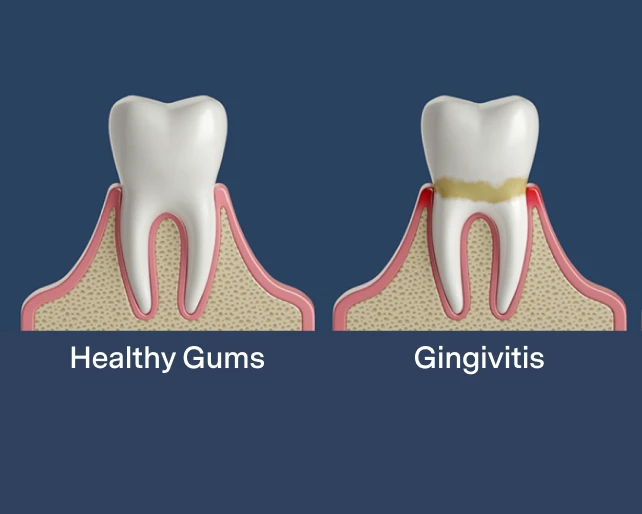
Gingivitis
Gingivitis is the first stage of gum disease is caused by plaque buildup and typically happens when you aren’t brushing and flossing enough. You may need a gingivitis scaling to remove the infectious build-up that is causing the inflammation. The good news is that gingivitis can be reversed. If you notice red, swollen or bleeding gums, be more diligent with your oral care routine and schedule a visit to your local Forever Dental for a professional cleaning.
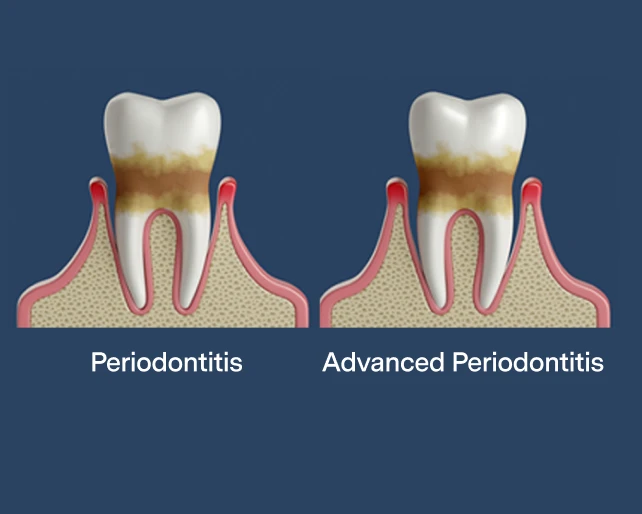
Periodontal disease
Periodontal disease, also known as periodontitis is the more severe form of gum disease, when the gums and bone begin to pull away from your teeth allowing bacteria to enter and cause infection. This can cause irreversible damage to the bone that holds your teeth in place and eventually lead to tooth loss and other oral health conditions. This stage requires professional intervention.

Gum disease treatment
It’s important that you see your Forever Dental care team to receive treatment for gum disease and stop further damage.
They may recommend the following treatment options:
✓
Periodontal dental cleaning
This specialized cleaning goes beyond regular dental cleanings, targeting areas below the gumline where harmful bacteria thrive. This is also known as scaling and root planing.
✓
Antibacterial mouthwashes
Your dentist may recommend adding a prescription mouthwash to your oral hygiene routine to help control bacterial growth and reduce inflammation.
✓
Prescription antibiotics
In some cases, oral or topical antibiotics may be prescribed to target specific bacterial infections and promote the healing of gum tissues.
✓
Maintenance cleaning
Regular dental check-ups are the best way to prevent and fight gum disease. During a dental cleaning, your care team will remove plaque and tartar below the gum line, reducing bacterial growth and promoting gum health.
✓
Gum surgery
For advanced stages of gum disease, surgical interventions may be necessary to repair and regenerate damaged gum and bone tissues.
Gum disease surgery
Gum disease surgery is typically recommended when non-surgical treatments, such as scaling and root planing, do not effectively address the problem. Your Forever Dental care team will recommend this to eliminate the infection, reduce pocket depth between gums and teeth and regenerate damaged tissues.
Some gum disease surgery options may include:

Flap surgery (pocket reduction surgery)
During flap surgery, the gums are carefully lifted back to expose the tooth roots and underlying bone. The dentist then removes the tartar and plaque, reducing the depth of the gum pockets so the gum tissue can better reattach to the tooth surface.

Bone grafts
In severe cases of gum disease where the supporting bone is significantly damaged, bone grafts may be used. Bone grafting involves placing synthetic or natural bone material in the affected area to stimulate bone regrowth and support the teeth.

Soft tissue grafts
Tissue from the roof of the mouth or a donor source is grafted onto the affected areas to restore gum tissue volume and enhance aesthetics.

Guided tissue regeneration
Often combined with flap surgery or bone grafts. A barrier membrane is placed between the gums and bone to prevent gum tissue from growing into the bone space, allowing bone cells to regenerate and restore lost bone support.

Gingivitis FAQs
What causes gingivitis?
Gingivitis is primarily caused by poor oral hygiene. When regular brushing and flossing are neglected, plaque—a sticky film of bacteria—accumulates on the teeth and gums. This buildup irritates the gum tissue, leading to gingivitis. Other factors such as smoking, hormonal changes, stress, certain medications and medical conditions can also contribute to its development.
How to cure gingivitis in a week?
Regular brushing, flossing and dental check-ups not only maintain oral health but also contribute to overall health. Good oral hygiene can prevent infections and reduce the risk of systemic diseases.
What does gingivitis look like?
Symptoms include red, swollen gums that may bleed easily, especially during brushing or flossing. Additionally, you might notice a change in gum color from healthy pink to a reddish-purple hue.
Is gingivitis contagious?
No, gingivitis is not contagious. Gingivitis is caused by the buildup of plaque and tartar, which leads to bacterial growth and gum irritation. You can, however, swap the bacteria responsible for gingivitis through the exchange of saliva, although that won’t necessarily mean the other person will develop gum disease.
Is there any connection between gingivitis and pregnancy?
Yes, during pregnancy, hormonal changes can lead to increased blood flow to the gums, making them more sensitive and prone to inflammation.
Discover more for your smile


Protect your smile from gingivitis
Act now to prevent or reverse the effects of gingivitis. Start with a healthy oral hygiene routine and a visit to your local Forever Dental for a professional dental cleaning. Your dentist will let you know if additional steps need to be taken. Make your appointment today.